- No products in the cart.
-
-
-
specifications: [[item.skuinfo]]
[[item.Product_num]] * [[item.currency]][[item.price]]
[[item.currency]][[item.allPrice]]
-
-
Price
This store has earned the following certifications.
- Certified Secure Certified
- 100% Issue-Free Certified
- Verified Business Certified
- Data Protection Certified


Shop / artgeist wall mural world map
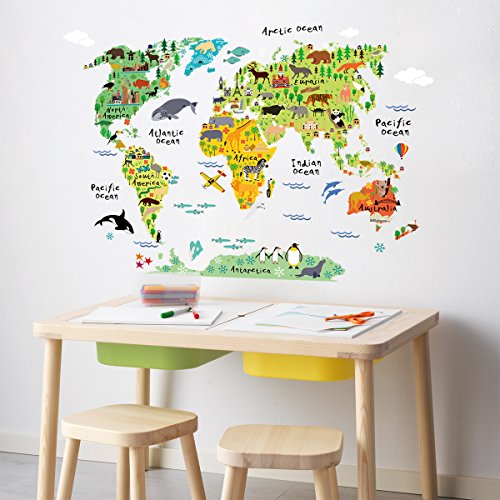
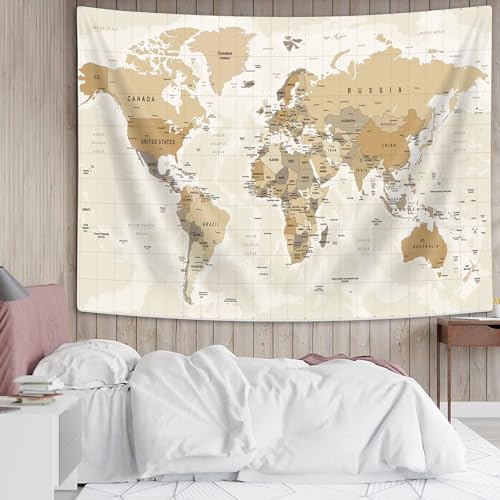
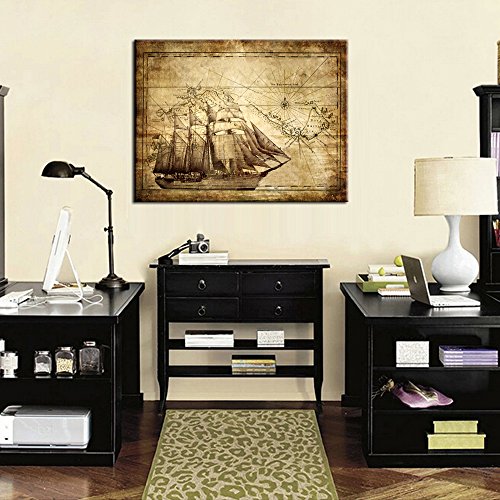
Elite Wall Map Mural Poster for Classic World
Add to wishlist
Category: artgeist wall mural world map

The human population has grown exponentially in the past century, leading to increased demand for resources and land. As a result, many wildlife habitats have been destroyed or fragmented, causing a decline in biodiversity. One of the most alarming consequences of this trend is the rapid loss of species worldwide.
Habitat loss is the primary driver of species extinction, with deforestation, urbanization, and agricultural expansion being the leading culprits. When natural environments are converted to human-dominated landscapes, the plants and animals that once thrived there often cannot survive. This is particularly devastating for species with specialized ecological niches or limited ranges, as they have nowhere else to go.
In addition to habitat loss, other human activities such as overhunting, pollution, and climate change also contribute to the extinction crisis. Overhunting has depleted populations of many large mammals and marine species, while pollution and climate change disrupt the delicate balance of ecosystems, making it increasingly difficult for vulnerable species to adapt.
The loss of biodiversity is not just an ecological problem; it also has serious implications for human well-being. Many of the medicines, foods, and other resources we rely on come from the natural world, and the disappearance of species means the potential loss of valuable genetic diversity and ecosystem services. Moreover, the intrinsic value of biodiversity, and the aesthetic and spiritual experiences it provides, are difficult to quantify but nonetheless essential to the human experience.
Addressing the biodiversity crisis will require a multifaceted approach, involving global cooperation, policy changes, and individual actions. Governments must enact stronger protections for endangered species and their habitats, while also investing in sustainable development and renewable energy solutions. Businesses and industries must adopt more environmentally-friendly practices, minimizing their impact on natural ecosystems.
At the individual level, people can make a difference by supporting conservation organizations, reducing their carbon footprint, and making sustainable choices in their daily lives. Simple actions, such as choosing eco-friendly products, reducing waste, and supporting local, organic agriculture, can all contribute to the preservation of biodiversity.
Furthermore, education and public awareness campaigns are crucial in inspiring people to take action. By teaching children and adults about the importance of biodiversity and the threats it faces, we can empower them to become stewards of the natural world.
Ultimately, the biodiversity crisis is a complex and multifaceted challenge, but one that must be addressed with urgency and a collective effort. By working together to protect and restore the natural habitats that sustain life on our planet, we can ensure a future where the rich tapestry of life continues to thrive and enrich our world.
product information:
| Attribute | Value | ||||
|---|---|---|---|---|---|
| item_weight | 3.84 ounces | ||||
| dimensions | 24 x 36 x 1 inches | ||||
| best_sellers_rank | #27,284 in Books (See Top 100 in Books) #58 in Wall Maps | ||||
| customer_reviews |
|
YOU MAY ALSO LIKE
-
-
-30%
-
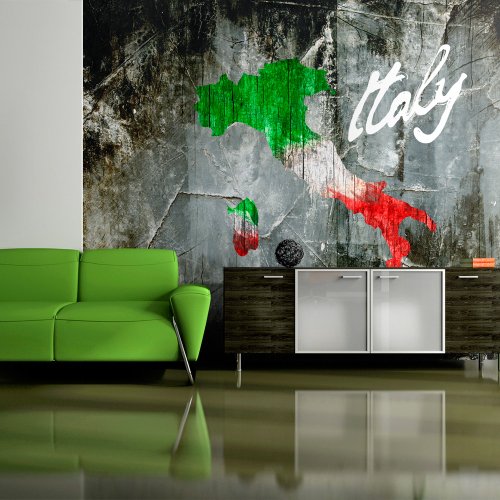
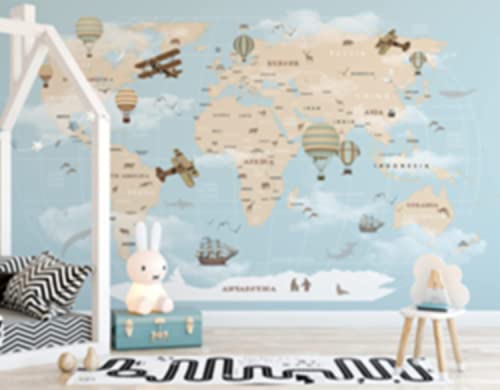
Artgeist Peel and Stick Wall Mural Landscape Peephole Design
- artgeist wall mural world map
- $79.99 $55.99

-
-
-30%
-
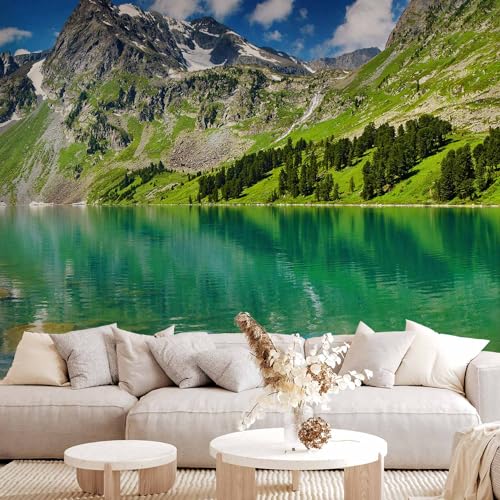
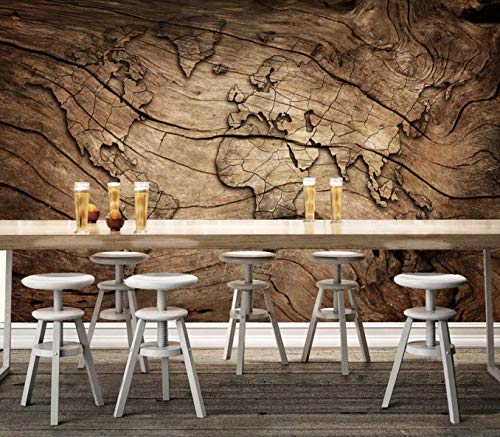
Vintage Map Wall Decor for Living Room, Bedroom, Entryway
- artgeist wall mural world map
- $29.0 $20.3
-
-
-34%
-
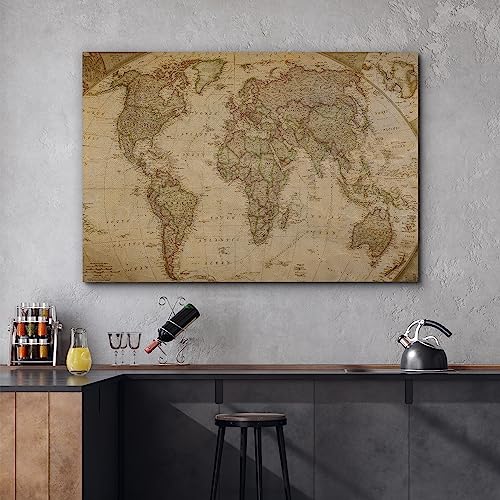
Wall26 Vintage Globe Canvas Print World Map Art Minimalist Decor 16"x24"
- artgeist wall mural world map
- $32.99 $21.79
-
-
-33%
-
KREATIVE ARTS Large Old World Sailing Map Canvas Print Nautical Wall Art 40x30inch
- artgeist wall mural world map
- $52.6 $35.2
-
-
-30%
-
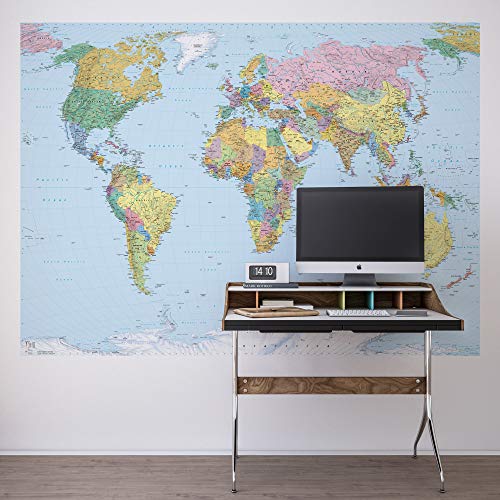
Artgeist Wall Mural - XXL Peel and Stick Self-Adhesive Wallpaper
- artgeist wall mural world map
- $82.99 $58.09